How Long Do Dental Fillings Last?
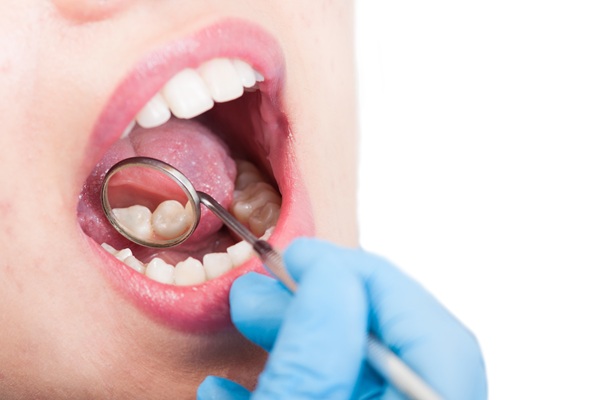
Dental fillings repair teeth affected by cavities. However, how long they last depends on the selected material, the patient's bite, and how well that patient cares for their smile. With good oral hygiene and regular dental visits, fillings can last many years.
Why dental fillings do not last forever
A dental filling must handle everyday chewing, temperature changes, and daily cleaning. These forces can wear down the filling, cause a rough spot on it, or loosen the seal it has on the tooth. Bacteria can also accumulate around the edge, increasing the risk of new decay.
In addition, the natural tooth around the filling has a role in how long the restoration may last. A small filling in a strong tooth may last longer than a large filling in a tooth with less structure left. Similarly, those on the back teeth may need to be repaired or replaced more often; these teeth bear the brunt of daily biting and chewing forces.
The lifespan of different types of dental fillings
There is more than one type of dental filling, and each one has its own expected lifespan. Explore them below.
Composite resin fillings
Composite resin dental fillings match the natural shade of the smile and provide a highly discreet appearance. They bond directly to a tooth’s chemical structure, which helps support the remaining enamel. The downside is that composite resin can wear down faster than metal alternatives under heavy forces. Still, composite fillings typically last five to 10 years.
Glass ionomer fillings
These dental fillings are also tooth-colored, but they contain silica glass powder. They last about five to seven years on average. What makes them different from composite fillings is their ability to release fluoride over time. Fluoride is a natural mineral found in spinach, seafood, and green tea; for dental care purposes, it helps keep the teeth strong by remineralizing them. As a result, the teeth are less susceptible to decay.
Silver fillings
These fillings are also known as silver amalgam fillings, because they contain a stable mixture (i.e., an amalgamation) of metals. They are known for their remarkable durability, often lasting 10 to 15 years before requiring replacement. They are great at withstanding heavy chewing forces, which is why they are highly suitable for molars.
How to help dental fillings last longer
Patients can help dental fillings last longer by caring for them as they would natural teeth. Brushing twice a day, flossing daily, and keeping regular dental appointments (every six months) all help protect the edges of a filling. A dentist may also recommend fluoride toothpaste to strengthen enamel and reduce the risk of new cavities.
Moreover, patients who grind their teeth should talk with a dentist about protection. A custom night guard can reduce pressure on fillings, crowns, and natural teeth. This can be particularly helpful for patients with several restorations or a history of chipped dental work.
Schedule an appointment
A filling restores a partially damaged tooth so that it can keep working comfortably. While dental fillings are durable, they do not last forever. A dentist can check existing fillings during routine visits and let patients know when one may need repair or replacement. They can also help patients choose a filling if it is their first time needing one. Contact Blossom Dental Excellence today.
Request an appointment here: https://blossomdental.com or call Blossom Dental Excellence at (408) 444-9984 for an appointment in our San Jose office.
Check out what others are saying about our services on Yelp: Dental Fillings in San Jose, CA.
Related Posts
If you find yourself hiding your smile due to imperfections on your teeth, a meeting with the general dentist for cosmetic dental treatments can transform your smile. Whether you wish your teeth were straighter and whiter with no flaws, there are different dental procedures available to transform your smile. This article covers a few of…
If you are searching for veneers that will provide a natural-looking smile, you need tailored care for your oral health and the appearance of your teeth. When a dentist takes this personalized approach, dental veneers can improve the shape, color, and balance of a smile while still looking natural. They carefully plan out the design,…
Implant supported dentures offer a reliable solution for tooth loss, but maintaining their function and appearance requires a daily commitment to care. These restorations stay firmly anchored compared to their traditional counterparts, yet they still rely on a healthy foundation of gum tissue and bone to work correctly. Here are five tips that aim to…
Whether you are scheduled for a dental procedure that requires sedation dentistry or are simply interested in learning more about it before your consultation visit, understanding what sedation dentistry is and the different types that are available is helpful. In essence, sedation dentistry is a way to minimize discomfort and help the patient relax during…