Dental Crowns: 7 Signs a Tooth May Need More Than a Filling
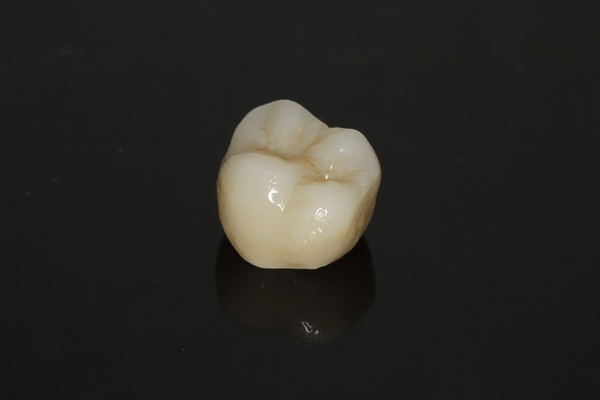
If a tooth has more damage than a filling can handle, dental crowns offer the extra support needed to protect it from further damage. While dental fillings work well for many cavities, they are not always the best choice for every situation. When too much of a tooth is damaged or missing, dental crowns can help restore its strength, shape, and function. Here are seven signs that a dentist may recommend a crown over a filling.
1. The cavity is too big
When a person has a small or medium cavity, their dentist will likely recommend a simple filling. However, when decay takes away a large portion of the tooth, there may not be enough healthy tooth structure left to hold it securely. A large filling can also leave the tooth more vulnerable to cracks and infection. In contrast, dental crowns cover the entire visible part of the tooth and helps support the remaining structure. It can also restore the tooth to a more natural shape.
2. The tooth has a crack or fracture
Cracked teeth can result from an injury, teeth grinding, hard foods, or years of normal wear. Some cracks are minor and may only need close observation. Others can weaken the tooth enough to cause pain or make it more likely to break. A crown can protect a cracked tooth by covering it and helping hold the remaining structure together. The right treatment depends on how deep the crack is and where it is. If a fracture extends below the gum line or reaches the root, a crown alone may not restore the tooth, and the dentist may recommend a root canal.
3. The tooth has had several fillings
A tooth that has needed several fillings may have less healthy structure left than it did after its first restoration. Each repair can require the removal of additional damaged or weakened material. At some point, another large filling may not provide sufficient support for the remaining tooth structure. A crown can cover the tooth and spread the pressure from chewing across a larger area.
4. The tooth is worn down
Teeth can wear down for several reasons. Some of the most common include:
- Teeth grinding and clenching (bruxism)
- Acidic foods and drinks
- Acid reflux (GERD)
- Brushing too hard
- Chewing hard objects
- Using teeth as tools
- Dry mouth (xerostomia)
Severe wear can change the shape of a tooth, cause sensitivity, and make chewing less comfortable. A dentist may recommend a crown if a significant portion of the tooth is gone. Treatment may also include steps to address the cause of the wear, particularly if grinding or clenching is part of the problem.
5. The tooth has had a root canal
A root canal can save a tooth after severe damage, injury, or infection. After this treatment, the tooth may need additional protection, particularly if a large portion of its original structure was lost to decay or prior restorations. A crown can cover the treated tooth and reduce the chance of a fracture. Not every root canal-treated tooth automatically needs one, though. The decision depends on the position of the tooth and how much natural structure remains after the root canal.
6. A large filling keeps breaking
If the same filling keeps cracking, falling out, or needing repairs, the problem may be more than the filling itself. The tooth may not have enough healthy structure to support such a large restoration. A dentist may recommend a crown when repeated filling repairs are no longer feasible. Instead of replacing only the damaged area, a crown covers the tooth and provides broader support.
7. The tooth is discolored or misshapen
Some teeth become severely discolored or misshapen after an injury, extensive decay, or previous dental work. Whitening may help with certain types of discoloration, but it cannot fix a tooth with major structural damage. Fortunately, a dental crown can improve the tooth’s appearance while restoring its shape and strength. That said, the dentist will first assess the condition of the tooth and surrounding gums to ensure a crown is the right option.
Do you need a dental crown over a filling?
A dental crown can repair dental decay, restore the tooth’s structure, and prevent further damage and infection. Do you think you may need a dental crown? Reach out to the Blossom Dental Excellence team today to learn more or to schedule your next appointment.
Request an appointment here: https://blossomdental.com or call Blossom Dental Excellence at (408) 444-9984 for an appointment in our San Jose office.
Check out what others are saying about our dental services on Yelp: Dental Crowns and Dental Bridges in San Jose, CA.
Related Posts
A dental bridge is often an important tooth-replacement option when one or more teeth are missing in the same area. Gaps in the smile affect chewing, speech, and overall oral health. Over time, missing teeth can also affect jaw alignment and place extra stress on the remaining teeth. Understanding how a bridge works helps patients…
Wisdom tooth extraction is a common dental procedure to remove the third molars. These teeth typically emerge between late adolescence and early adulthood. While some individuals experience no issues and keep their wisdom teeth, others encounter pain, infection, or misalignment as these teeth develop and begin to erupt. Knowing the signs that indicate the need…
If you are searching for veneers that will provide a natural-looking smile, you need tailored care for your oral health and the appearance of your teeth. When a dentist takes this personalized approach, dental veneers can improve the shape, color, and balance of a smile while still looking natural. They carefully plan out the design,…
Implant supported dentures offer a reliable solution for tooth loss, but maintaining their function and appearance requires a daily commitment to care. These restorations stay firmly anchored compared to their traditional counterparts, yet they still rely on a healthy foundation of gum tissue and bone to work correctly. Here are five tips that aim to…